Indoor vs Outdoor Cannabis Cultivation: The Right Choice
Discover the pros & cons of growing cannabis indoors or outdoors. Learn about costs, quality & cultivation methods. Making the Right Choices
Contents
Should you consider growing your cannabis strain indoors or simply cultivating it outdoors? You might have to consider many things. The debate of whether indoor or outdoor cultivation is better has raged on for many years. The plant in itself is considered one of the oldest plants in human history. For much of cannabis cultivation history, the breeding processes were completed outdoors. So, essentially, the open space is considered the natural habitat of the plant. Although this is true, marijuana can also be cultivated indoors using a small space.
There is a long history of why breeders started growing their weed strain indoors, secretly in closed spaces. Historical records suggest that indoor cultivation began in the year 1911. That year, the state of Massachusetts placed a legislative ban on the cultivation of weed. In subsequent years, many defaulters continued to plant marijuana in remote open spaces far away from the prying eyes of the authorities. The anti-cannabis law spread beyond Massachusetts as other states soon began to clamp down on marijuana cultivation using the law.
In 1937, the federal government passed controversial legislation criminalizing the cultivation of marijuana.
The Marijuana Tax Act designated marijuana as a Schedule 1 substance with ‘no beneficial medical use and a high tendency for abuse.’ This law was strictly implemented, forcing marijuana farmers to consider new methods of farming. These new methods of forming completely changed how marijuana enthusiasts grow their favorite plants. To avoid state prosecution, marijuana farmers developed different methods of cultivating indoors. This movement gave birth to indoor farming tips and helped keep the seeds in circulation until favorable laws were passed.
Factors to consider before selecting a growing method
Regardless of the method you’ve selected, there are many factors you need to consider. Not only will these factors guide your choice, but they will also help you consider making the necessary changes along the way.
2. Climate conditions
Get a better understanding of the climate in your city before you choose a method of cultivation. Indoor cultivation might be appropriate if the prevailing climate conditions can severely affect the productivity of your plant. You will want to consider this if you live in arid regions or areas with a long period of winter in a year. However, it is possible to grow your weed strain outdoors in the winter if you know a few tips on growing marijuana in cold temperatures. You might need the expertise of a plant scientist to help you review the influence of climate on plants grown in your region.
3. Quality
How well does your selected cannabis strain perform under both indoor and outdoor growing conditions? How tall can it grow? Answering this question will help you understand if your plant will be better outside or in an enclosed space. There are many strains, that give better harvest returns when planted outdoors. However, many others also flourish in enclosed spaces. You should make inquiries about how the cultivation method affects your chosen cannabis strain before you start.
If you have considered these three factors but are still unsure whether to plant your weed outside or in an enclosed space, then you need to compare the pros and cons of both methods. We have carefully compared both methods, presenting to you an indoor versus outdoor cultivation comparison.
1. Cultivation cost for both outdoor and indoor methods
The cost analysis is different for both methods. However, much of the cost involved with cannabis farming is indeed incurred in the early phase of cultivation.
Cost of growing cannabis indoors
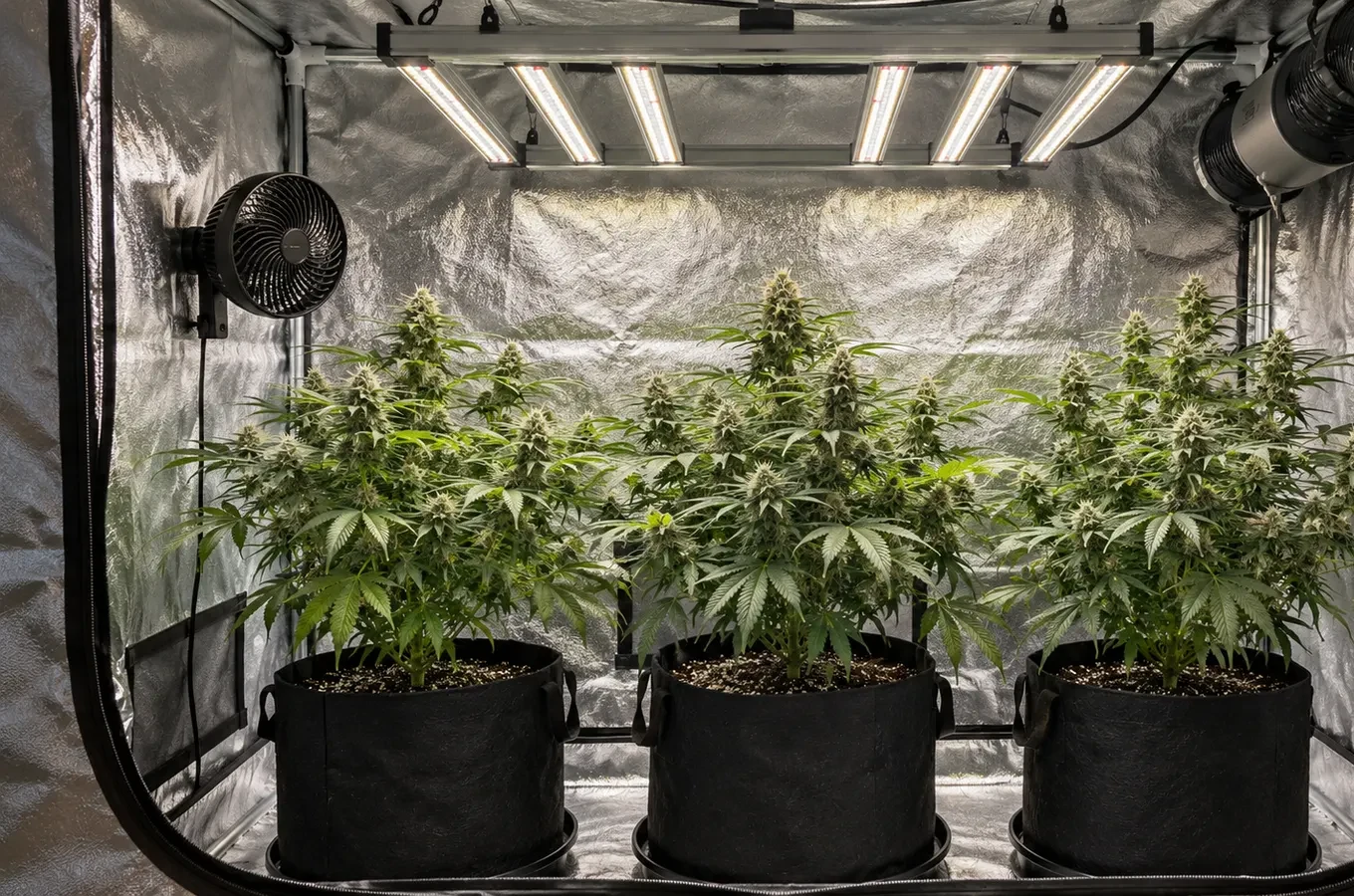
If you desire to maintain a steady harvest through the year with indoor cannabis cultivation, you must be ready to spend large. Indoor cultivation requires more equipment, and some of this equipment is not exactly cheap. Lightning alone can consume a huge part of your budget. In countries where energy is considered expensive, your lightning expenses might run into a few thousand dollars. If you are also growing your strain indoors with a non-soil growing medium, you have to get nutrients as your plant develops.
Some of the expensive equipment required indoors include:
- A good lighting system
- A sensitive hygrometer for humidity measurement
- Humidifiers and dehumidifiers
- Ventilation setup
- Thermometer for temperature control
Cost of growing cannabis outdoor
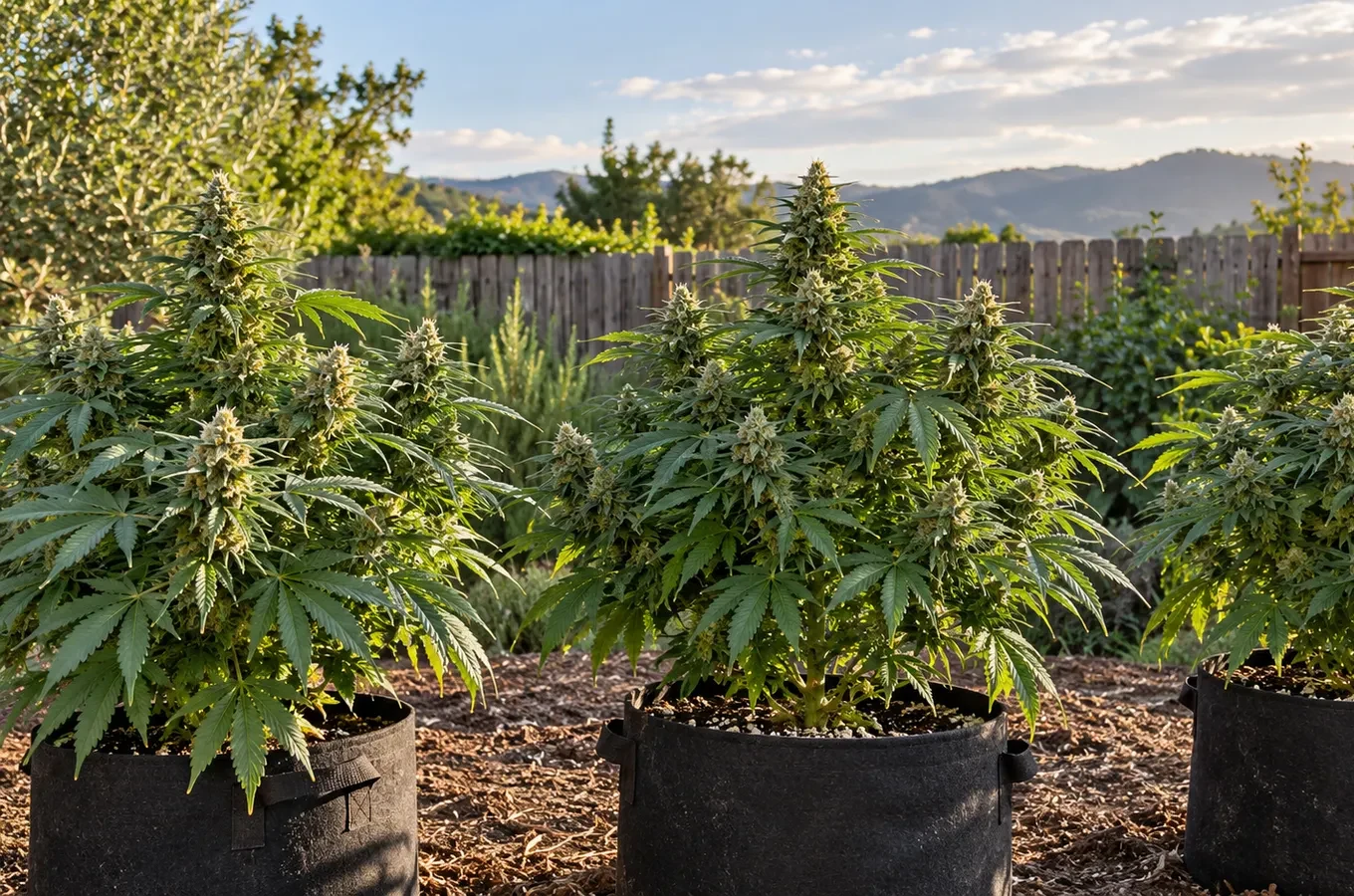
The first thing you notice with outdoor marijuana cultivation is that the equipment needed for an operational start-up is few. Compared to indoor cultivation, you spend less money procuring equipment. For example, a ventilation setup and lighting system are not required in outdoor farming if you live in an area with ideal climatic conditions. There is also no need for a growth medium if you have access to fertile soil. Although procuring fertilizers might be necessary if your plant requires supplemental nutrients. To protect your investment, you might need to install proper fencing or construct a plant shed. The point is, you spend less if you grow your weed outdoors.
2. Quality comparison for both outdoor and indoor cannabis
If your strain can be grown both outdoors and indoors, the chances are that the quality of yield produced under both conditions is different.
Cannabis quality indoor
Growing indoors helps the farmer regulate growing conditions and set priorities for plant monitoring. As it stands, cross-breeding operations are better conducted indoors as the farmer can regularly monitor for yield and plant performance. In addition to all these, weed growing in enclosed indoor spaces is secured from outdoor unstable weather conditions. They are protected away from sandstorms, frost, excessive rainfall, and crushing heat.
Logically, you will expect these plants to grow better. This is exactly the case. The quality of pot plants grown indoors has significantly improved over the years. The buds are preserved in perfect condition until harvest, and the leaf is properly tendered. The stems are protected from wind strains, and the flowers are protected from pests. Since fertilizer application is required, these plants get the right nutrients in the right proportion throughout the growing season. Proper tendering improved the quality of these plants.
Cannabis quality outdoor
Cultivating your preferred cannabis strain outdoors exposes you to a lot of risks. The natural weather conditions are unpredictable, leaving your plant at the mercy of wind, rain, snow, and heat. As it stands, only plants resistant to these harsh conditions can survive outdoors. They are also exposed to pests, including cannabis aphids and big rodents. However, if your planting soil is rich enough, your weed might come out with a good bud and flavor profile.
Hybrid cannabis cultivation; combining both methods
Hybrid farming is fast becoming popular in the modern history of cannabis cultivation. This method combines the best of both indoor and outdoor farming methods. Many marijuana production companies are currently experimenting with growing different strains, partly indoor and partly outdoor. The pot plants are first planted outdoors using proven cannabis growing strategies. After the plants have been exposed to their natural habitat, they are subsequently transferred into specialized pots. The young plants are then transferred and tendered in state-of-the-art greenhouses. Here, the vegetative stage continues. On transitioning into the flowering stage, the plants are monitored regularly and supplied with nutrients if necessary. By combining the growing conditions from both outdoor and indoor cultivation, the hybrid marijuana cultivation method is tipped as the future of weed farming.
The bottom line
Frankly speaking, there is no definite answer to the question of whether cannabis should be planted indoors or outdoors. There are a lot of factors you need to consider before you select a method. If you live in a well-secured area and the weather conditions are fairly stable, you can consider outdoor farming. This also comes with the responsibility of regularly monitoring your plant. If not, you can simply opt for the indoor method. The debate might rage on, but there exists no definite answer.