Best Soil to Grow Weed for Healthier Roots
Learn how airy structure, good drainage, and gentle nutrition create healthier roots and more consistent cannabis growth.
Contents
- What “best soil” needs to do for cannabis
- Texture and drainage: the foundation you should not compromise on
- Nutrition and micro-life: gentle soil often beats “hot” soil
- Potting soil, living soil, or coco: choosing a medium you can manage
- pH and watering: where most soil problems actually start
- Indoor pots vs outdoor ground: how your environment changes the “best” soil
- Responsible note and legal compliance
If you're searching for the best soil to grow weed, you're really trying to find consistency. Good soil keeps roots oxygenated, holds water without turning swampy, and buffers nutrients so your plant stays calm instead of swinging between “too much” and “not enough.” When your root zone is stable, everything above the soil line becomes easier to manage.
What “best soil” needs to do for cannabis
The “best” soil is the one that stays airy while still holding enough moisture to support steady growth. Roots need oxygen as much as they need water, so soil that compacts or stays wet too long tends to cause slow growth and stress. That stress often looks like nutrient problems, even when the real issue is poor root conditions.
The other side of “best” is forgiveness. If your soil has decent structure and a sensible nutrient profile, you can be a little imperfect with watering and still get healthy plants. That matters a lot if you’re new, growing autoflowers, or working in a small indoor space where conditions change quickly.
Texture and drainage: the foundation you should not compromise on
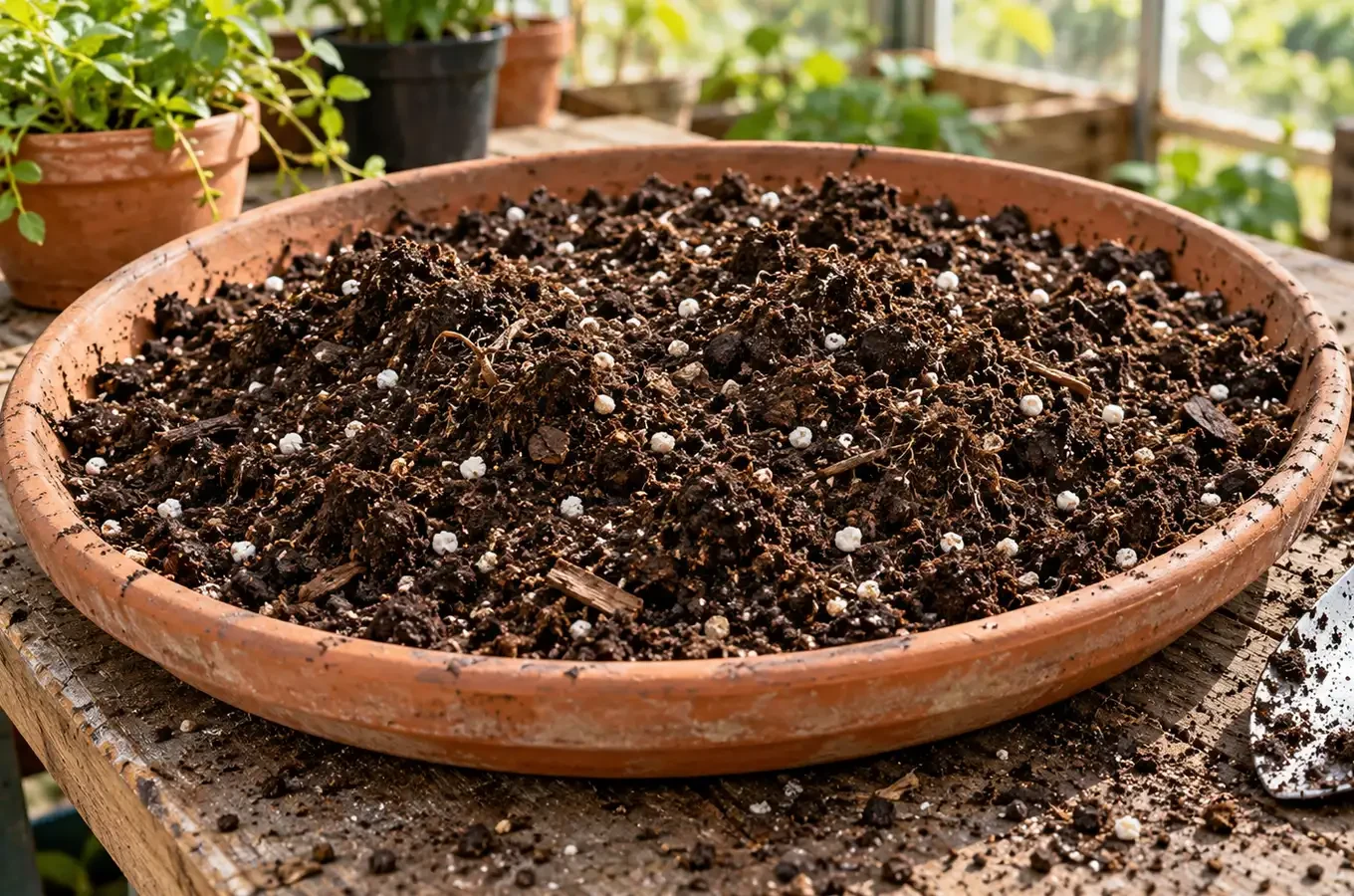
A strong soil mix feels light and crumbly, not dense and muddy. You want water to move through the pot evenly, but you also want the medium to hold enough moisture that it does not dry out instantly. In practice, soil that stays “open” tends to be easier to water and less likely to trap roots in low-oxygen zones.
Drainage is especially important in containers because pots have limited air exchange compared to open ground. If you’re struggling with slow growth, droopy leaves, or soil that stays wet for days, the fix is often a better structure, not more nutrients. If you want a deeper dive into how medium choice affects results, our article on autoflower hydro vs soil is a useful comparison.
Nutrition and micro-life: gentle soil often beats “hot” soil
Bigger feeding does not always mean bigger plants, especially early on. Many growers get better results by starting with a lighter, more breathable soil and then building nutrition gradually. A “hot” mix can overwhelm young roots and make your grow harder to steer.
Micro-life also matters because it helps cycle nutrients and keep the root zone balanced. If you prefer a more natural approach, our guide to growing cannabis organically explains the mindset behind living ecosystems and why stable biology can reduce the need for constant correction. For autoflowers specifically, we also break down soil preferences in the best soil for autoflowers.
Potting soil, living soil, or coco: choosing a medium you can manage
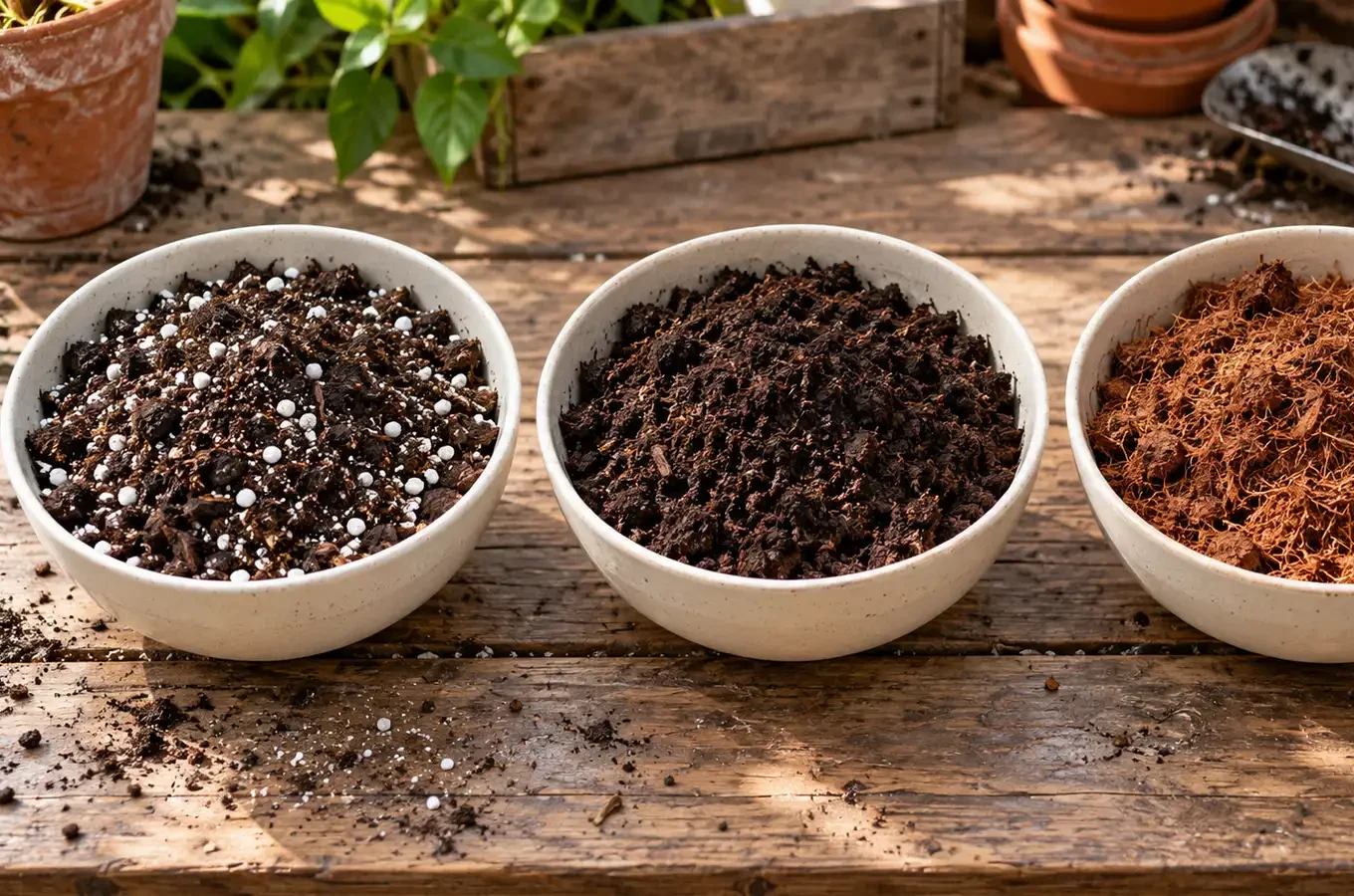
There is no single winner for everyone, because the best medium depends on how hands-on you want to be. Potting soil is usually the most forgiving choice for most home growers. Living soil can be very rewarding if you like an organic approach, while coco often appeals to growers who want tighter control and faster feedback.
| Medium | Best for | What you should watch |
| Quality potting soil (lighter mix) | Beginners, most indoor grows, many autoflower runs | Overwatering is the main risk, keep it airy |
| Richer potting soil (heavier mix) | Larger containers, longer veg, growers who want fewer feedings | Can be too strong for young plants |
| Living soil | Organic mindset, minimizing bottled inputs | You protect soil biology by avoiding over-correction |
| Coco-based medium | More active control and precision | You typically manage nutrition and pH more directly |
pH and watering: where most soil problems actually start
Even the best soil mix can underperform if watering habits are inconsistent. Soil works best when it cycles between wet and slightly drier states, because that movement pulls fresh oxygen into the root zone. If you water too often, roots can stay “sleepy” even if your light and nutrients look correct.
Indoor pots vs outdoor ground: how your environment changes the “best” soil
Indoor growing is all about repeatability. You usually want a medium that stays airy in a pot, drains reliably, and does not surprise you after a few waterings. That is why many indoor growers favor consistent potting mixes and avoid heavy, compacting soils.
Outdoor growing depends on what your native soil looks like, and sometimes the “best soil” starts with fixing what you already have. If your ground is heavy and sticky, our guide to growing marijuana in clay soil breaks down the tradeoffs and how structure affects roots. If your ground is thin and fast-draining, growing marijuana in rocky soil explains why control of water and nutrients becomes the priority.
Responsible note and legal compliance
If you are cultivating legally and want to build your knowledge step by step, our Grow Guide is the best place to start. With a stable soil choice and genetics that match your experience level, you give yourself the smoothest path from early growth to a satisfying finish.